
 Customer Support


A well-designed resident or tenant satisfaction survey can be one of the most powerful tools for improving performance across multifamily and commercial real estate (CRE) portfolios. When structured thoughtfully, these surveys deliver reliable insights that shape retention strategies, strengthen relationships, and inform investment decisions.
Yet success doesn’t come from simply sending out a questionnaire. The true value of a survey depends on how it’s designed, deployed, and analyzed — and whether the results can stand up to scrutiny from residents, tenants, teams, and investors alike.
Getting those details right requires a structured approach built on consistency, objectivity, and clear business alignment. In the following sections, we’ll examine seven critical factors that influence the success of your surveys. In each section, you’ll find:
- Key Questions to help you assess your current approach.
- Best Practices that ensure your results drive measurable improvements.
By focusing on these essential elements, you can build a survey program that goes beyond collecting feedback to generate trusted, actionable insights that elevate the resident and tenant experience — across every property and portfolio.
7 Critical Factors of Successful Resident and Tenant Satisfaction Surveys
1. Portfolio Size and Diversity
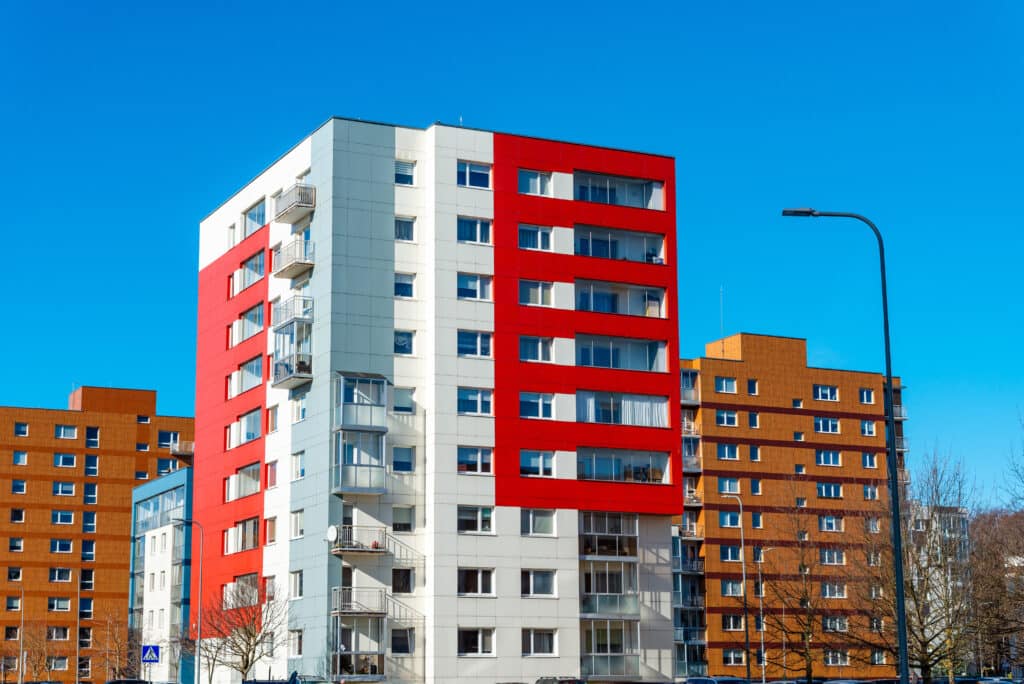
A successful survey strategy starts with understanding how your portfolio’s structure influences your data. Results are only as strong as the consistency behind them, which becomes increasingly complex if your portfolio spans multiple markets, property types, or asset classes. A well-designed survey framework balances standardized metrics with differences in property type, location, and audience, enabling meaningful comparisons over time.
Portfolio diversity can make or break the reliability of resident and tenant satisfaction surveys, so here are a few key questions to ask yourself:
Key Questions
- What does your portfolio look like?
- Do you manage a large number of properties that span multiple sectors, markets, and property classes?
Best Practices
Regardless of portfolio size, consistency is key. For this reason, it is imperative to use standardized methods and centralized oversight to ensure data comparability across all assets.
- Segment and analyze data by region, asset type, or location using centralized platforms to gain actionable insights. The Analytics Dashboard in PerformanceHQ consolidates training, mystery shopping, and resident survey data into a single, intuitive interface, making it easy to slice and dice results for meaningful comparisons.
- Maintain consistency by applying uniform timing, question sets, and survey methodology. This consistency enables accurate trend analysis and ensures results are comparable across properties and regions.
- Benchmark performance effectively by leveraging validated industry-wide databases. The Kingsley Index™ provides trusted context for national and regional comparisons, helping you understand how your properties stack up against peers and identify opportunities for improvement.
- Interpret data with confidence by relying on expert analysis and reporting. Tools like Intelligence+ enhance survey insights by using AI to detect emerging sentiment trends, uncover portfolio-wide patterns, and flag properties at risk of turnover. This gives operators a deeper understanding of the “why” behind resident feedback.
Following these best practices ensures your survey results are accurate, actionable, and portfolio-wide. Grace Hill Surveys specializes in delivering consistent yet personalized survey collection and expert analysis across multifamily and commercial portfolios, giving you reliable insights that drive clarity and credibility.
2. Defining Data Needs and Business Goals
Even the most well-executed survey launch won’t deliver value unless the questions and structure align with your organization’s broader objectives. A well-designed resident satisfaction survey or tenant satisfaction survey should go beyond surface-level feedback to reveal insights that directly support key priorities, from retention and occupancy to asset performance and investment strategy.
Grace Hill helps leaders connect the dots between survey insights and measurable outcomes. Before launching your next survey, be sure to ask:
Key Questions
- What exactly are you hoping to learn from the survey insights collected?
- Is the goal to increase occupancy, boost retention, find opportunities for improvement, or identify blind spots at at-risk properties?
Best Practices
Clarifying goals upfront ensures every question ties back to measurable business outcomes, whether it's NOI growth, stronger resident or tenant retention, or portfolio expansion. Surveys designed with a strategic purpose yield actionable data aligned with organizational priorities.
With Grace Hill, you benefit from working with real estate experts who help identify priorities and design surveys that fit your goals and budget. Our customizable solution ensures each question serves a defined purpose, empowering you to measure what truly matters and demonstrate the ROI of resident and tenant experience initiatives.
3. Customization: Knowing What (and How Much) To Ask
Effective survey design balances customization and structure, capturing actionable insight without overburdening residents or tenants — reducing survey fatigue and improving participation rates. The goal is to capture the most important information while maintaining comparability across your portfolio.
Key Questions
- What is the focus of your survey?
- How many questions are enough to capture meaningful data?
Best Practices
Design surveys to be concise, targeted, and purposeful. While each property or portfolio may have unique priorities, questions should be structured to generate reliable and comparable results that support strategic decision-making. Include a mix of quantitative and qualitative questions to uncover trends and the reasoning behind them.
Partnering with Grace Hill ensures surveys strike the right balance of brevity and depth. With over three decades of expertise and benchmarking against relevant data sets, we collect and validate feedback to protect your reputation and help you avoid costly missteps resulting from flawed or biased data.
4. Industry Recognition and Benchmarking
Benchmarking transforms raw survey data into actionable intelligence. Without comparing results against industry standards, you risk misinterpreting performance or missing opportunities for improvement.
Key Question
- Do you want your results to stand alone, or should they be compared against broader market performance?
Best Practices
Use survey tools that align with established benchmarks for context and credibility. The Kingsley Index, the industry standard for measuring tenant, resident, and investor satisfaction, compares your results against millions of data points across markets, asset classes, and regions. This provides the context needed to understand your portfolio’s performance relative to peers.
The benefit: No more wondering whether your results are “good enough.” Benchmarking with the Kingsley Index removes uncertainty, letting you know exactly how your properties stack up.

Once you know where your property stands, earn the public recognition it deserves! The Kingsley Excellence Awards further enhance credibility by recognizing properties that exceed industry benchmarks, providing tangible proof of performance and building trust with residents, tenants, investors, and owners. Integrating benchmarking and recognition elevates survey feedback from data collection to a strategic tool for performance improvement.
5. Third-Party Objectivity
Survey credibility hinges on perception as much as methodology. The value of survey data depends on whether your stakeholders believe the results reflect reality. When owners or management companies conduct surveys internally, even the most well-intentioned efforts can raise doubts about bias. That skepticism erodes the credibility and impact of the collected insights, while limiting your ability for key decision-making.
Key Questions
- Does objectivity matter to your tenants, residents, owners, and investors?
- Could perceived bias undermine confidence in your findings?
- Could flawed survey data lead to misguided operational or financial strategies?
- What reputational risk exists if stakeholders question your methodology?
Best Practices
Independent, third-party surveys build credibility, encourage candid feedback, and generate results that stakeholders trust. Partnering with experts removes conflicts of interest and elevates the perceived value of your survey data.
With Grace Hill Surveys, your feedback program gains this independent perspective. Our methodology delivers unbiased, actionable insights — exactly what today’s tenants, residents, owners, and investors expect.
Even objective survey data loses value without the right expertise to interpret it. Turning unfiltered feedback from resident and tenant satisfaction surveys into meaningful insights requires skilled analysis and industry-specific knowledge to uncover what the numbers truly reveal.
6. Staffing and Analytical Expertise

Collecting survey responses is only the first step; the real value comes from interpreting the data correctly. Without expertise, subtle trends can go unnoticed and insights can be misinterpreted, undermining your survey investment.
Key Questions
- Does your team have the expertise and bandwidth to analyze complex survey results?
- How will you ensure you don’t overlook subtle but important trends?
- Do you have the time and resources to sift through open-ended comments and categorize feedback?
Best Practices
Data analysis should be led by experienced professionals who can translate raw survey results into actionable insights and strategies. Surveys in PerformanceHQ provide analytics, reporting, and industry expertise, with results analysis presentations that cut through the noise and highlight the drivers most likely to impact tenant retention, satisfaction, and portfolio health.
Our experts focus on what the data means and what to do about it, giving leadership a clear, prioritized playbook for resident and tenant engagement. This enables confident, data-backed decisions on investments, staffing, and service enhancements — without drowning in spreadsheets. For CRE executives, it also reduces the risk of missing early warning signals, preventing churn or dissatisfaction before it affects financial performance.
For even greater efficiency, Grace Hill now offers Intelligence+ in PerformanceHQ, which leverages AI to automatically categorize open-text resident survey feedback and identify emerging trends in real time, helping teams turn insights into action quickly and easily without being bogged down by manual processing.
7. Turning Data Into Action
The ultimate measure of survey success is turning insights into measurable improvements. Feedback alone doesn’t drive results — structured follow-through is essential.
Key Questions
- Once you have survey results, do you know how to prioritize and implement improvements?
- Do you have a framework to distinguish between quick wins and long-term initiatives?
- Are resources (budget, staffing, technology) in place to implement changes effectively?
- What metrics will you use to track the success, and will you use follow-up surveys or “pulse checks” to measure progress?
- How will you avoid “one-and-done” surveys and build a culture of continuous improvement?
Best Practices
Treat surveys as the starting point for continuous improvement, then pair insights with recommendations, clear action plans, and ongoing measurement. For CRE and multifamily leaders, this approach ensures survey programs drive meaningful operational and strategic outcomes — from improving service to guiding tenant retention initiatives that reduce churn and enhance satisfaction.
Seeing what needs attention is only the first step. Knowing how to respond and track progress is what drives real change. Grace Hill’s Intelligence+ includes AI-driven Action Plans in PerformanceHQ to help teams turn resident feedback into clear, trackable tasks, while ensuring nothing falls through the cracks.
By embedding action planning into your survey strategy, you elevate feedback into a competitive advantage that strengthens resident satisfaction, asset performance, and investment outcomes.
Transforming Feedback Into a Strategic Advantage
Successful resident and tenant satisfaction surveys do more than collect feedback — they generate reliable, actionable insights that drive meaningful improvements across your portfolio.
By focusing on these seven critical factors, you can design surveys that deliver clarity, credibility, and impact. Partnering with experienced survey experts, like those at Grace Hill's KingsleySurveys, ensures your data is accurate and interpreted to support confident, evidence-based decisions.
When survey insights are purposefully designed, expertly analyzed, and strategically applied, they guide operational improvements, strengthen satisfaction, support portfolio performance, and enhance stakeholder confidence — turning survey feedback into a genuine competitive advantage.
More Survey Tools and Insights

The Future of Resident Amenities: Meeting Rising Expectations